
Types of nappies
Many whānau wonder whether they should choose cloth nappies, or disposable nappies for their child. Some families choose to use a mix of cloth and disposable nappies. It’s up to you – whatever works best for you and your child is the right choice.
Cloth nappies
- You’ll probably need at least 24 nappies
- Come in a range of sizes and styles – many have velcro or snap closures, so you don’t need nappy pins
- Reusable, so you’ll need to clean, wash and dry them
- More environmentally friendly and less expensive over time than disposable nappies (you can also buy them second-hand)
- You may need a nappy bucket to soak dirty nappies
Disposable nappies
- Convenient and easy to use
- Usually more expensive than cloth nappies
- Absorbent, so they keep your baby’s skin dry
- Help protect against leaks, as they have a special elastic waist and leg bands for a snug fit
- Come in a range of sizes to fit your baby
How to change a nappy
Changing a nappy can take a while to get used to – especially as a new parent, but soon you’ll be changing many nappies a day.
Always wash your hands for at least 20 seconds before and after changing a nappy. This will help prevent you and your baby from getting sick.
Videos: Using Huggies products
Nappy rash
Nappy rash is a red, irritating rash on the skin that’s usually covered up by your baby’s nappy. It’s normal and can occur even if you are changing nappies regularly. Nappy rashes typically clear up in a few days.
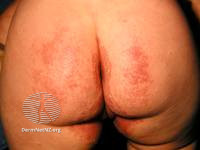
DermnetNZ
Causes
Nappy rash is mainly caused by wetness from wee and poo in your baby’s nappy. The wetness can irritate your baby’s skin and cause it to look red and angry. Some babies will get lots of nappy rashes, while other babies have only a few rashes.
Prevention
There are a few ways you can help keep your baby’s skin healthy and prevent your little one from developing a nappy rash:
- change a wet or soiled nappy right away
- use a clean warm wet cloth to wash. Disposable wipes are not necessary and can irritate your babies sensitive skin
- apply a barrier cream, like a zinc cream, thickly to your baby’s bottom after you change their nappy
- give as much nappy-free time to your baby as possible each day
- do not use talcum powder.
If you are using cloth nappies:
- use soap flakes, nappy-wash powders or liquids to wash nappies
- rinse nappies twice to get rid of the soap or nappy wash
- dry nappies in the sun and wind
- a nappy liner used inside a cloth nappy may help to keep your babies skin dry
- for care of cloth nappies, be guided by the manufacturer instructions.
Treatment
Your baby may be irritable if they have a nappy rash, and the nappy area may be sore when it's wiped. Here are a few tips to help when your child has a rash:
- change nappies more often
- wash the nappy area gently and carefully with a soft cloth and clean warm water. Afterwards, let your baby’s skin dry thoroughly
- let your baby lie on the floor on a blanket without a nappy on, air helps heal the rash
- wash your hands and gently apply a thick layer of a protective barrier cream to the irritated skin before you put a new nappy on your baby. Try to pat the cream on rather than rub, as rubbing can irritate the skin more.
When to visit a doctor
If your baby’s nappy rash hasn’t cleared up after a few days, or if you are worried about them, call PlunketLine or your doctor.
