What is SUDI?
SUDI stands for sudden unexpected death in infancy. In New Zealand, between 40 and 60 babies die of SUDI each year.
SUDI includes sudden infant death syndrome (SIDS), where no cause of death can be found. It also includes fatal accidents during sleep, often suffocation.
Many of these deaths could be prevented by using safe sleep practices – by making sure your baby’s bed and sleeping space are safe for them.
SUDI is frightening for new parents to think about, but it’s important to know the facts, and to know what you can do to reduce the risk for your pēpi.
PlunketLine or your Plunket nurse can give you more information on how to reduce the risk of SUDI.
What increases the risk of SUDI?
SUDI rates are highest when pēpi are one or two months of age, and 80% of cases happen before babies are five months old.
The main risk factors for SUDI are bed-sharing, smoking while pregnant, and the position of your baby when sleeping. The risk is greater if:
- baby sleeps on their side or tummy. Babies sleeping on their sides have double the SUDI risk. If they turn from their side onto their front, the SUDI risks are six times higher.
- you share a bed with your baby in an unsafe way (where an adult is asleep on the same sleep surface as a baby)
- baby is exposed to tobacco smoke during pregnancy or after birth
- baby is put down to sleep on a soft surface (like a soft mattress, waterbed or sofa)
- baby is put down to sleep with loose or fluffy clothing, bedding, or soft toys
- baby sleeps with their face or head covered
- baby gets overheated.
Sudden unexpected death in infancy (SUDI) prevention
Make every sleep a safe sleep
The four key steps for making sure your baby has a safe sleep spell PEPE.
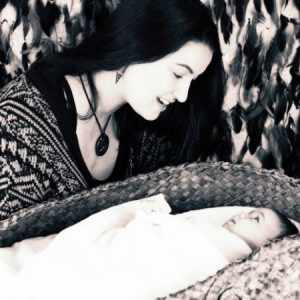
P
Place baby in their own baby bed.

E
Eliminate smoking in pregnancy.
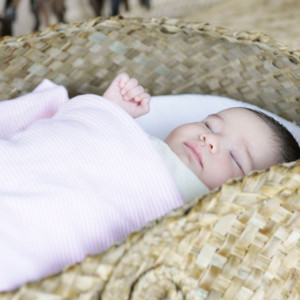
P
Position baby flat on their back to sleep.
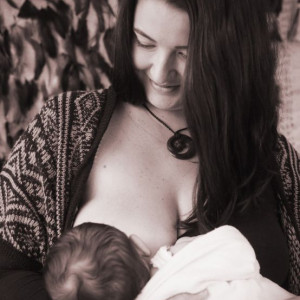
E
Encourage and support breastfeeding.
- Place pēpi in their own baby bed in the same room as their parent or caregiver for at least the first six months. Put your baby to sleep in their own safe sleep space – a bassinet or cot, or a wahakura or Pēpi-pod® - if you choose to share your bed with your baby. Don't put them directly in the bed with an adult or another child who could accidentally roll over and smother them. It’s also important to make sure your baby has a sober parent/caregiver who is alert to their needs and free from alcohol or drugs.
- Eliminate smoking in pregnancy, and protect pēpi with a smokefree whānau, whare (home) and waka (car). There’s a strong link between SUDI and smoking. Healthy babies have an inbuilt ‘wake up’ response that protects their breathing. This response in babies is seriously weakened by smoking, especially in pregnancy. Make sure you keep your baby’s environment – before and after birth – smoke-free.
- Position baby flat on their back to sleep, with their face clear of bedding or anything else. They should sleep with their feet to the end of their bed, on a firm flat mattress. When pēpi sleep on their back, their airway is clear and open and this helps them breathe easier.
- Encourage and support breastfeeding and the gentle handling of baby. Mothers can sustain tikanga ūkaipō (traditional practice of breastfeeding) with positive breastfeeding experiences.
If you don’t have a baby bed, ask your midwife, doctor, or Plunket nurse for help to get one. If you’re on a low income, you might be able to get help from Work and Income.
Also:
- Make sure your baby has somewhere safe to sleep when they’re out. It’s a good idea to take your wahakura, pēpi-pod®, or bassinet with you. It’s never safe to put your baby to sleep in an adult bed, on a couch or a chair.
- Car seats or capsules protect your baby when you’re travelling in the car. Your baby shouldn’t sleep in them when you’re at home or at your destination.
- Be really careful putting pēpi in chairs, or propping them up. Newborn babies have large heads, short necks, large tongues, and they only breathe through their noses. If their head falls forward, or is pushed forward by pillows, their chin could slump on to their chest and block their airway.
How to know your baby’s bed is safe
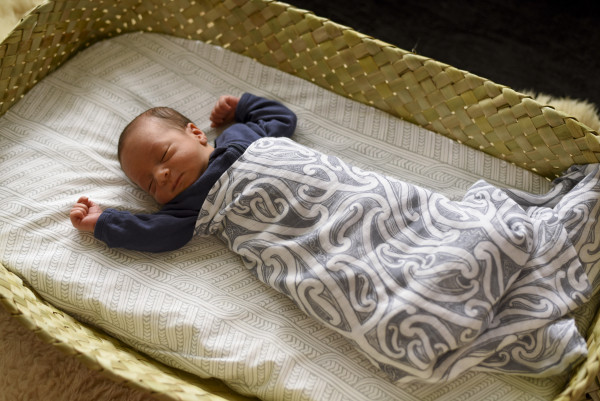
Baby’s bed is safe when:
- it has a firm and flat mattress so your baby’s airway is open when lying flat on their back
- there are no gaps between the bed frame and the mattress that your baby could become trapped or wedged in
- there’s nothing in the bed that could cover your baby’s face, lift their head or choke them – no toys, pillows, loose bedding, bibs, headbands, bumper pads (pads that attach to the sides and ends of a cot) or necklaces (including teething necklaces)
- baby is in the same room as you or the person looking after them at night for their first six months.
These things aren’t safe to use in your baby’s bed:
- pillows and cushions
- loose blankets, sheets, covers or other loose bedding
- bumper pads (pads that attach to the ends and sides of cribs)
- loose ribbons, ties or threads on a baby’s clothes
- toys, teething necklaces, or anything they could suffocate or choke on.
National SUDI prevention coordination service
Myths about SUDI
Back sleeping and the risk of choking
A baby is not more at risk from choking if they sleep on their back. Babies gag and swallow in all sleeping positions – that’s how they protect their airways. The windpipe is above the food tube when babies lie on their back. In this position, the gagging reflexes are stronger and it’s easier for babies to keep their airways safe.
Back sleeping and the risk of developing a flat head
A baby isn't more at risk of developing a flat head from sleeping on their back. Babies’ heads change shape due to pressure on a soft skull when the head rests on the same spot. This can happen in all sleep positions because babies have heavy heads, and they sleep a lot.
A flat head can be avoided by varying the resting spot of the head and having plenty of tummy time and time upright when your baby’s awake. Tummy time in the first six weeks can include time lying across an adult’s knee after feeding.
