Virtual bites
40 results found
-
Being a parent
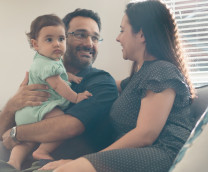
Supporting a breastfeeding partnerThere are plenty of ways we can help our partners feel confident and supported as they feed our tamariki.
-
Being a parent
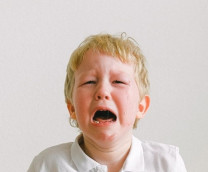
Dealing with tantrumsMost young children have tantrums, and some of them can be impressive! Helping your tantrum-prone child learn the words and skills to understand and manage their feelings will mean tantrums happen much less often. Here are some tips on how to avoid tantrums, and what to do when they happen.
-
Caring for your child
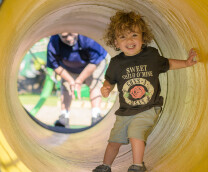
Keeping safe out and aboutYou can do lots of things to help your child stay safe inside the home, but it’s harder to control when you’re outside or away from home. Here are some of the things you can look for to keep your child safe.
-
Being a parent
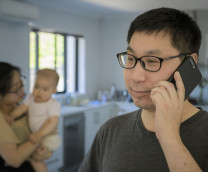
Helpful family servicesThere are many services and free helplines across New Zealand that offer support to families. Search SmartStart for an organisation near you or call PlunketLine and we'll help you find the service you need.
-
Caring for your child
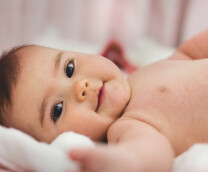
Your baby's skinYour baby's skin is an amazing organ. It provides a protective barrier, helps control body temperature and allows your baby to feel sensations.
-
Caring for your child
Nose, eyes and nailsCaring for your young child’s eyes, nose and nails can be a challenge. But Plunket has tips to help.

-
About Plunket
Community Services CoordinatorWork to grow our community-based initiatives and support our network of volunteers.
-
Caring for your child
Other breastfeeding supportFind more support services who can help with breastfeeding.
-
Being a parent
Support for children with additional needsAll children are different and have individual strengths and challenges. Some tamariki will need extra support with learning, behaviour or socialising or have a health condition that requires special support.
-
Support Plunket
We are Aotearoa New Zealand’s largest provider of services to under-fives. We are also a charity. Support Whānau Āwhina Plunket so we can stay focused on the wellbeing of children and their whānau today, and for generations to come.
