sleep
43 results found
-
About Plunket
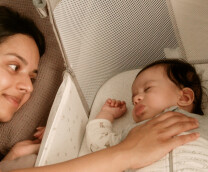
'Warm. Safe. Close.' Our winter safe sleep campaign for pēpiAs temperatures drop across Aotearoa ahead of Safe Sleep Day – Te Rā Mokopuna on Friday 5 June, Whānau Āwhina Plunket is reminding families that small, simple actions can make a life-saving difference for pēpi during sleep.
-
Caring for your child
Sleep and settling pēpi course -
Being a parent
Sleep and settling pēpi course -
Child development
Sleep concerns 1-2 yearsToddlers are more aware of their surroundings, so distractions might disrupt them at bedtime. They’re also starting to test their independence, and may resist going to bed. Now more than ever, a simple and consistent bedtime routine is your best bet for getting your toddler into bed and off to sleep.
-
Child development
Sleep concerns 3-5 yearsAs toddlers and pre-schoolers get older and test boundaries, they may procrastinate or resist bedtime, get out of bed at night, and develop night fears. Don’t worry, they’ll grow out of most of the problems they have at this age – but these can be tough times when you’re in the thick of sleep disruption.
-
About Plunket
Jessica's Story“The sleep consultant really listened to us and validated how I was feeling."

-
Child development
Settling your newbornDuring the first few weeks with your new baby, it can feel like you’re living in a fuzzy bubble of exhaustion. Even though they’ll likely sleep two-thirds of the time, their unpredictable feeding and sleep cycles will keep you on your toes – and awake for a good chunk of the night. Here are some tips for settling your baby down to sleep, so you can get some well-deserved rest.
-
Caring for your child
Bedsharing/Sharing a bed with your babySome parents or caregivers choose to share their bed with their baby for cultural or other reasons. If you do this, make sure you put your baby in their own separate sleep space beside you.

-
Child development
Understanding what your baby wants or needsUnderstanding your baby’s sleep and wake states may help you understand what your baby is likely to need or want. Babies also give you cues to let you know they’re hungry, tired, sleepy, or would like a cuddle. Here’s some tips to help understand their sounds and movements.

-
About Plunket
Cara-lee’s storySleep deprivation was taking its toll until her Plunket nurse suggested what Cara-lee calls a “game changer”.