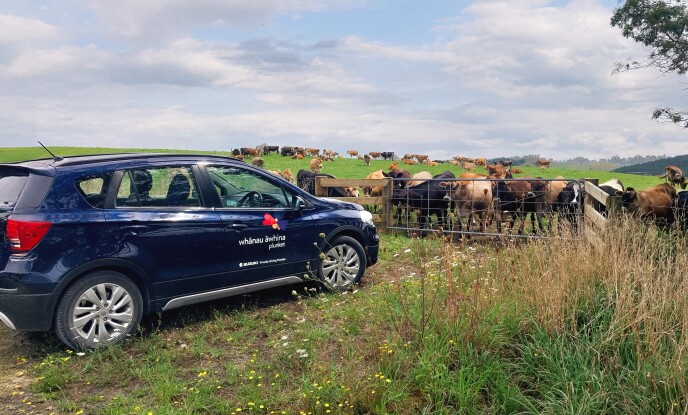
Plunket kaimahi (staff) and volunteers work hard to ensure many of our services are available to whānau day and night, and wherever they may be. That includes farms and small or remote towns, even if there isn’t a brick-and-mortar Plunket clinic nearby. Serving our rural communities is a priority for Plunket.
“Working in a rural area like Dargaville (Northland) is very rewarding, but also has its challenges,” says Plunket nurse, Maryann Mckinley. “Isolation is a big problem for new parents in rural communities, and sometimes poverty is too.”
Whānau that live quite remotely may travel into their closest town only once a week at most to access things like health care, as it can be a big cost to travel that far or they may be busy running farms. But their town day may not coincide with Plunket Dargaville’s clinic day, for example. That means in-home visits are important and offering flexible services like virtual appointments and phone support to fit around rural – and hectic – lives.
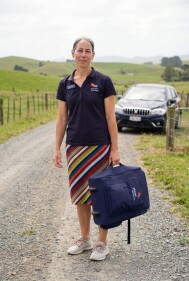
Plunket Nurses like to see families in their home for their first Well Child check for starters, but also for appointments beyond that initial meeting if it suits. “It provides us with a really good feel for how the whānau is coping on their parenting journey and especially if they are facing isolation, financial challenges or transportation issues,” says Maryann. And while that does mean that Maryann is often spending a lot of time on the road – driving up to an hour north, south or east of her base of Dargaville – she really gets to know her families and understands their lifestyles. “For some whānau who are dairy farming, I can suggest an appointment later in the day after they’ve fed the calves, or because it’s the busy lambing season.”
Fellow rural Plunket Nurse, Leone House, is just as familiar with the busy schedules of farmers and the unique challenges the landscape can offer! “I may have to go up long driveways, tanker tracks and metal or just dirt tracks. I might have to deal with cows, bulls, sheep, peacocks, chickens, dogs, cats, and I have been in a house with pet rats. So having some sense with dealing with livestock helps!” she laughs.
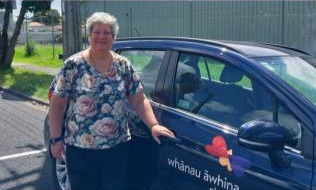
As a result, Leone has a couple of extra tools in her nursing kete (toolkit), like a four-wheel drive vehicle and an ability to wrangle stock if needed.
Working with families in the Te Kauwhata/Huntly area, Leone often travels more than 1,000 kilometres a month to reach rural whānau, so those last two tools come in handy.
“I can go from seeing whānau in the village of Te Kauwhata or the town of Huntly to the back-blocks of rural New Zealand,” Leone says. “I may have to open and close gates to get to dwellings – I say dwellings as I can be at a house, tiny home, converted barn or anything in between."
After nearly nine years on the country beat, and as a dairy farmer’s daughter herself, Leone says it is a privilege to support rural whānau on their parenting journey. “I love it. Rural pēpi, māmā and whānau are so resilient… they run playgroups and get togethers to support each other, they are so resourceful and welcoming.”
Leone also visits new migrant māmā with little or no English. “They don’t drive and they can be very isolated due to not having any family or friends in NZ,” she says. “Often a Plunket nurse or kaiāwhina visit is a highlight of their day.”
Aside from the option of getting their Well Child checks done through virtual appointments, Nurses like Maryann and Leone make sure their rural families know that they can access Plunket 24/7 through PlunketLine, our phone and video service. It’s helpful for parenting advice and real-time support from a registered Plunket nurse for things like breastfeeding or baby sleep. And when it is a ‘town day’ for a family, Plunket’s playgroups and parent groups offer connections with other whānau to offset life on the farm.
If you know a whānau who lives in a rural or isolated part of Aotearoa, please feel free to share our list of services that help ensure they receive the wraparound care they need in those early years with tamariki.
And if you’re visiting yourself, Leone has one parting piece of advice:
“Always remember to close the gate behind you!”
