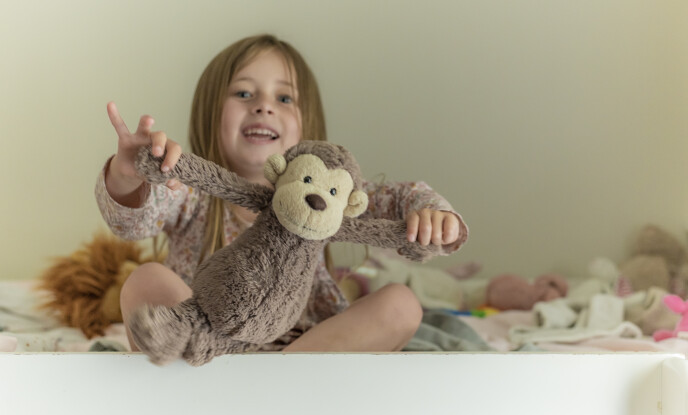
Most children move from a cot to a bed between the ages of 18 months and three and a half years. There's no set age to move your child, but it’s probably safest to wait until they’re two, unless they start trying to climb out earlier.
Moving into a big bed is a big deal for children, and it might take them a while to adjust. Sometimes the shift to a bed can bring new bedtime battles, late night wanderings or early morning wake-ups, so you might want to choose a time when you're ready to deal with these.
Making the bedroom safe
Once your child is in a bed they can get out and wander around when they want, so it's important to make sure their bedroom is safe.
Before you move your child into a bed:
- decide on a suitable bed location – children’s beds should be away from walls and furniture
- use plug/socket covers so your child can’t stick anything in them
- make sure heaters meet New Zealand safety standards, have a low surface temperature (to avoid tamariki burning themselves if touched), and keep them aat least one metre from your child’s bed or anything flammable
- avoid placing furniture or items near windows that might make it easy for a child to reach the window
- install safety locks on windows so they only open a little bit, and make sure the gap isn’t big enough for your child to climb through. Make sure everyone in the house knows how to release the safety catch in the event of an emergency, such as a fire.
- secure any hanging cords - including mobiles with hanging strings - because they're a strangulation hazard. Wrap blind and curtain cords around clips or cleats attached to the wall at least 1.6 metres above the floor so your child can't reach them.
- avoid hanging items on the walls that might fall onto the child, or that they might try to reach
- use brackets to secure your furniture and other heavy objects to the wall so they can’t fall
- keep heavy objects on the bottom levels of shelves
- keep any medicines, cleaning products, and anything else poisonous out of the bedroom, out of sight, and out of reach, along with choking hazards like coins and small batteries.
If you don’t have a safety gate across the doorway of your child’s room, you’ll need to make the rest of the house safe for them as well in case they get up in the night.
Choosing a bed
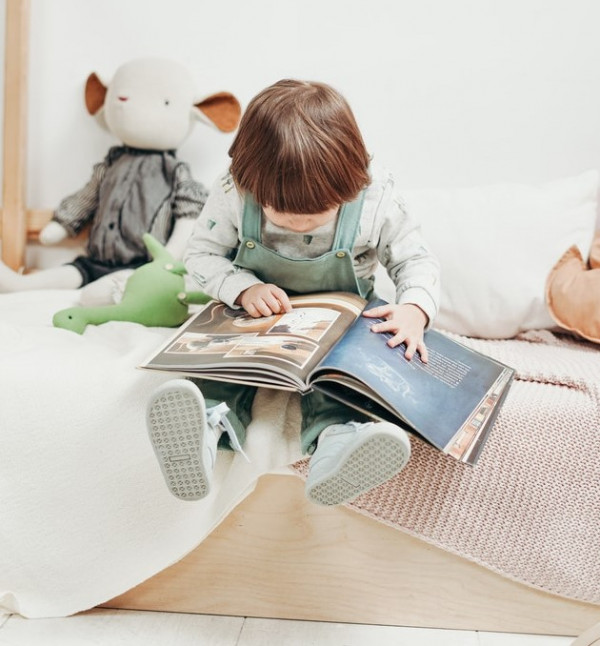
There are a few different options when your child moves from a cot to a bed. They could move to a:
-
toddler bed - these are small, low, and toddler-sized, and normally have guard rails on all sides. Some cots convert to toddler beds, and you can keep using your cot mattress and bedding.
-
regular bed - often this is a mattress, box spring and bed frame. Construct the bed following all manufacturers' instructions and check it regularly to ensure it is structurally sounds and there are no loose parts or straps (for example, straps on slat bed frames).
- consider the height of the bed - it may be safer to use the mattress on the floor until your child is older
- if using a bed/safety rail, make sure it fits tightly against the mattress, checking for gaps your child could get stuck in.
- select a firm and flat mattress option - futons can often be too soft and saggy
- if you are using a slat bed frame, ensure any loose straps on the slats are well-secured and positioned against the mattress, not under the bed, as these can become a strangulation hazard.
-
mattress on the floor - this is a great option because it provides your little one with a big-kid bed, but they can't fall out of it.
- Make sure you put the mattress on the floor away from the walls and furniture. This will help prevent your child getting wedged between the mattress and the wall or other furniture and being injured or suffocating.
- Avoid inflatable or air mattresses for young tamariki, as there is a risk of suffocation.
Bunk beds are not suitable for tamariki under nine years old.
Whichever option you choose:
- remember pillows are a suffocation risk for children under two, as are soft toys and bean bags. Keep these things away from the area on or around the bed.
- it’s okay for toddlers and older children to sleep with their security items – their blankie or special toys – as long as they’re small and can’t smother them. Always check for choking hazards which may become sharp, loose or come off when sucked.
- there is a higher risk of falls and injuries when children wear baby sleeping bags in a bed, so think about whether they'll continue to wear one.
Supporting the transition
Moving to a new sleep space can be a big transition for your little one. A bedtime routine helps children know it’s time to settle and sleep.
See our other Sleep pages for information about sleep, bedtime routines, troubleshooting concerns, and sleep support.
Need additional support with sleep and settling?
Call PlunketLine free on 0800 933 922 to speak with one of our friendly nurses. We also offer free, private online consultations with nurses specially trained in sleep and settling support for your pēpi.


